Sit Chicago on a map and it makes immediate sense. Planted at the southwestern tip of Lake Michigan, midway between the coasts, it became the place where everything had to pass through. The railroads came, then the stockyards, then the money, then the people. By the early twentieth century Chicago was one of the fastest growing cities on earth and it carried that energy like a fact about itself.
The Great Chicago Fire of 1871 burned most of it to the ground. The city rebuilt in a decade. That tells you everything you need to know about the character of this place.
Chicago gave the world the skyscraper, the blues, and deep dish pizza. It gave jazz a northern home when musicians rode the Illinois Central Railroad up from New Orleans during the Great Migration. On any given summer night in the 1920s, Louis Armstrong was playing the South Side and the city was rewriting what American music could sound like. That thread runs forward. Chicago gave us house music in the eighties, Kanye West in the nineties, Chance the Rapper after that. The city has never stopped producing.
Barack Obama organized communities on the South Side before he organized a country. Oprah Winfrey built a media empire from a local television station on State Street. These are not coincidences. Chicago has always been a place where ambition finds room.
The food scene reflects the same restlessness. Deep dish at Lou Malnati's is the obligation and worth every calorie. But Chicago also does the Italian beef sandwich, the Chicago-style hot dog loaded with everything except ketchup, and some of the best Mexican food outside of Mexico itself. The city's Pilsen neighborhood and Little Village carry a culinary tradition that takes margaritas seriously. Not the sour mix version. The real one, lime-forward and cold, served in a salted glass with something grilled alongside it, eaten outside while the summer light holds on longer than it has any right to.
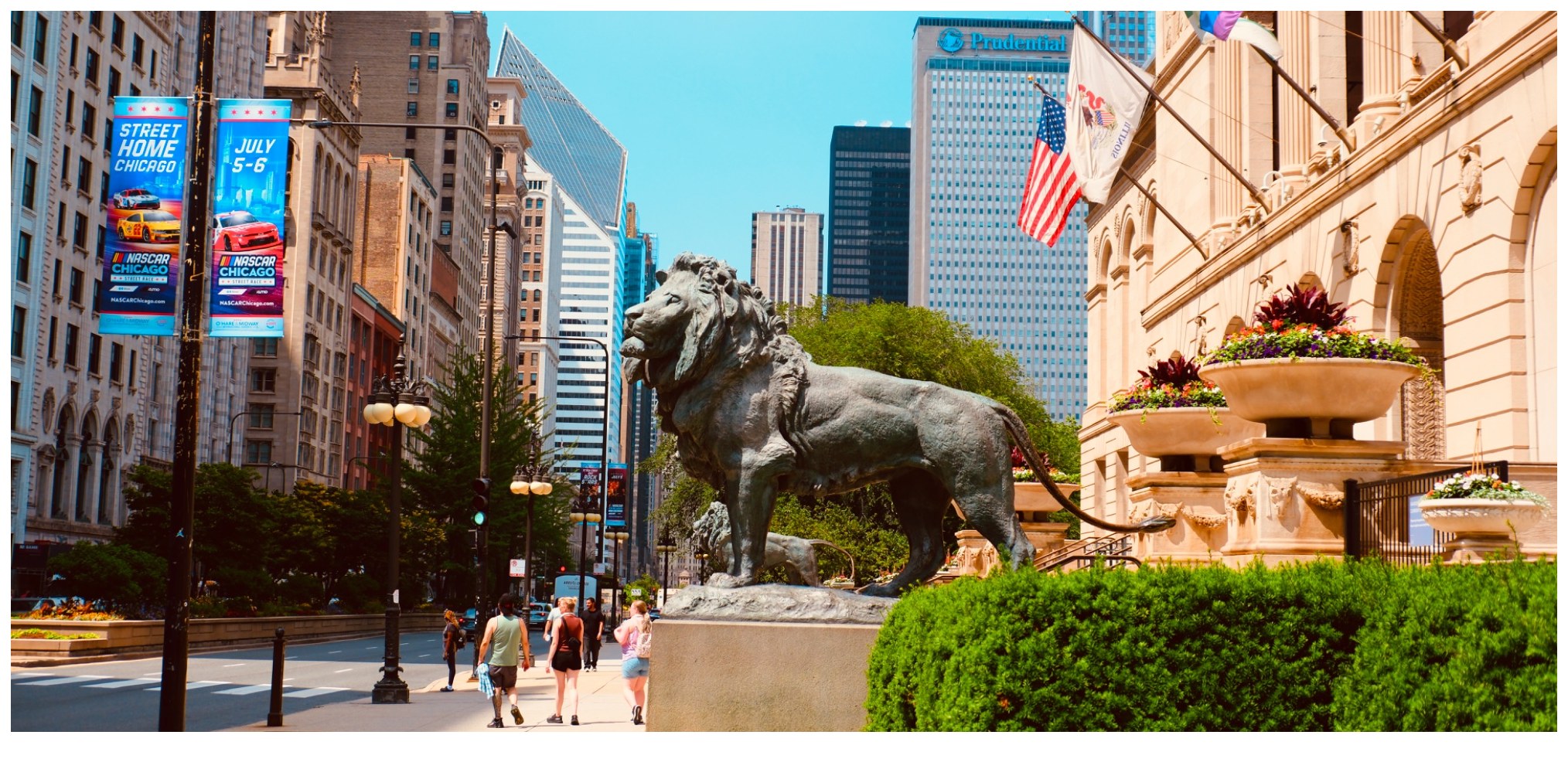
I came for four days in the summer of 2025 with the Chicago City Pass in hand. The pass bundles the major attractions into one purchase and it does something useful beyond saving money. It gives you an anchor. Each morning started with a destination. The Art Institute. The 360 Chicago deck. The Shedd Aquarium. The Field Museum. One landmark per day, then let the streets take over from there.
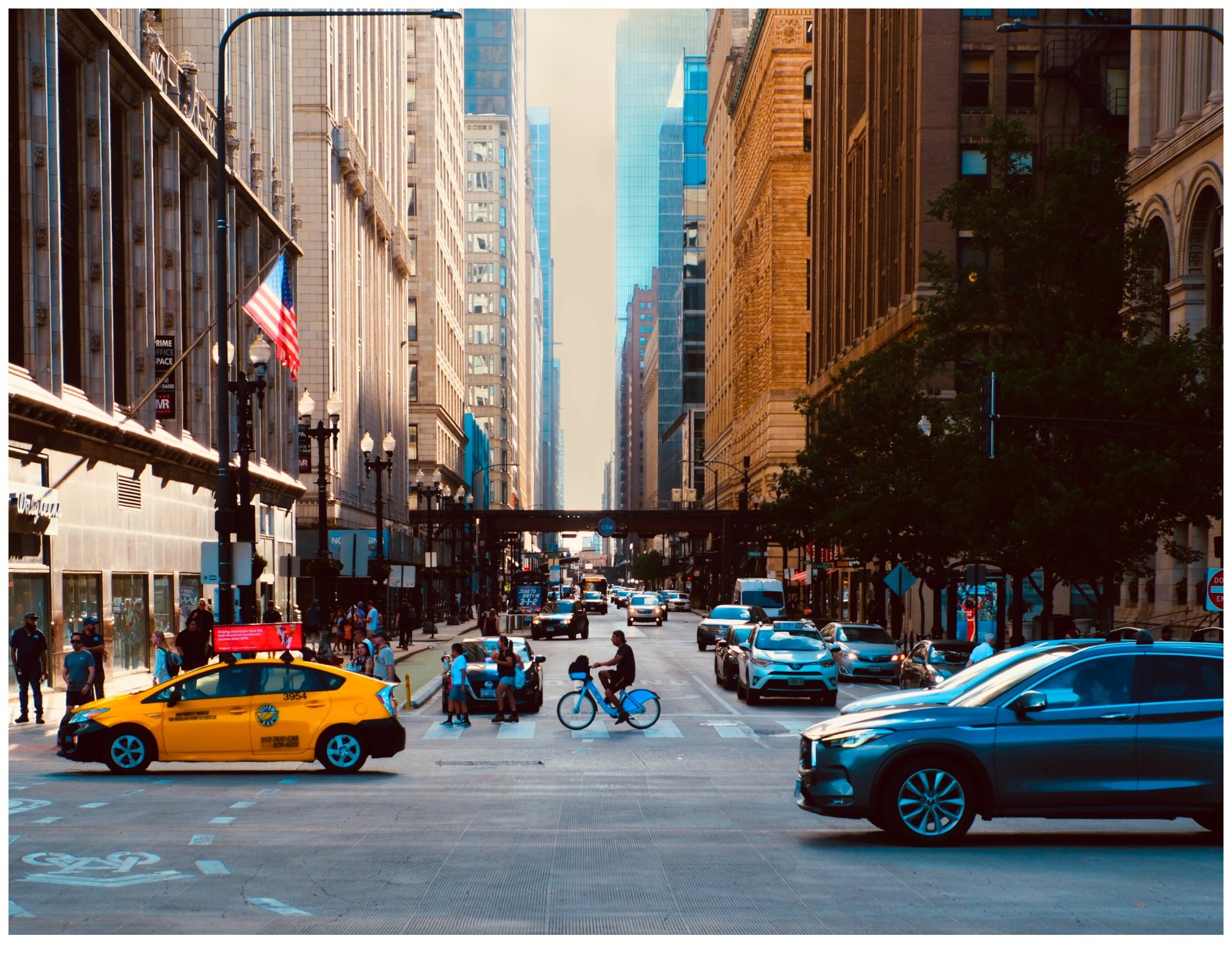
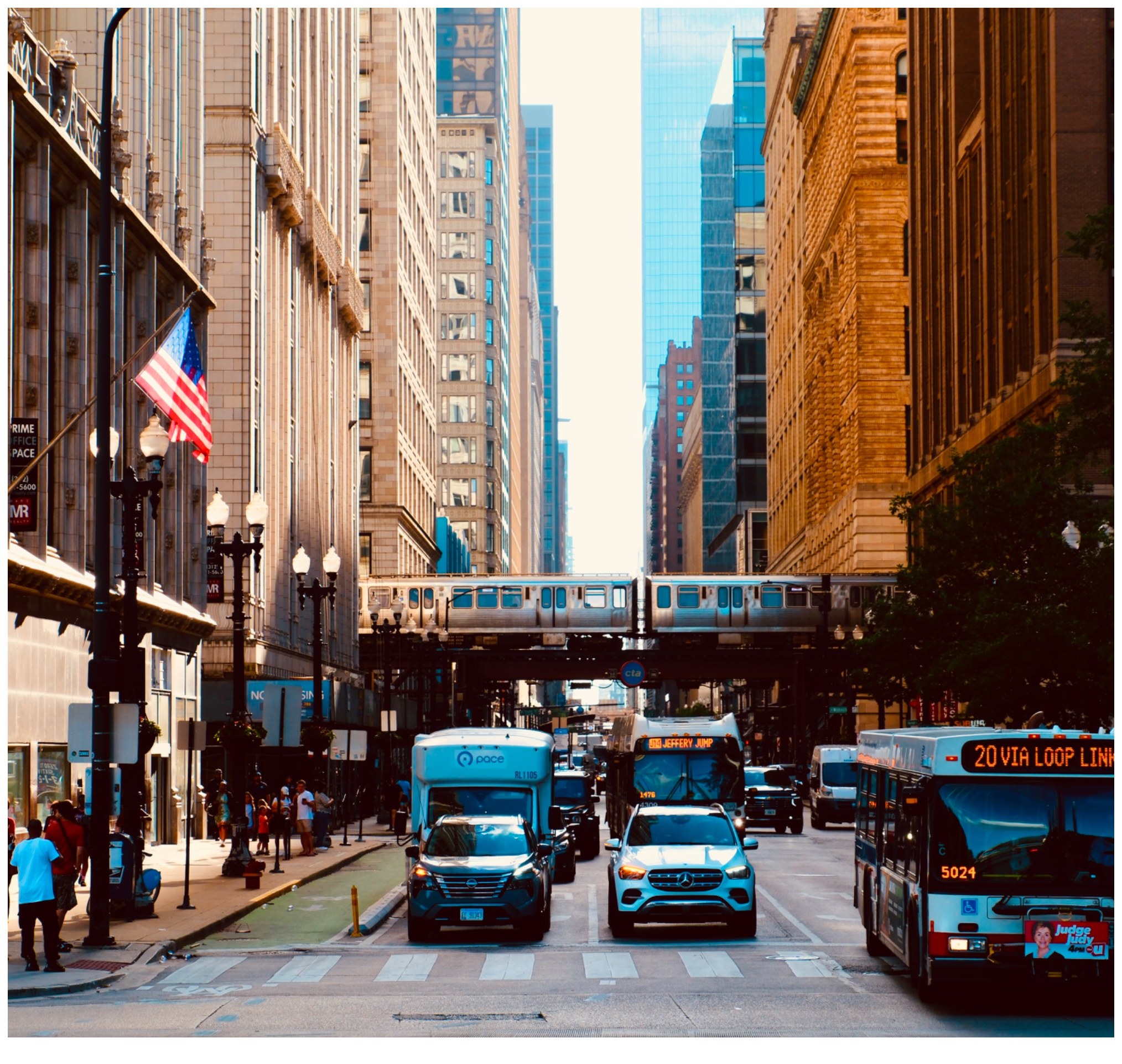
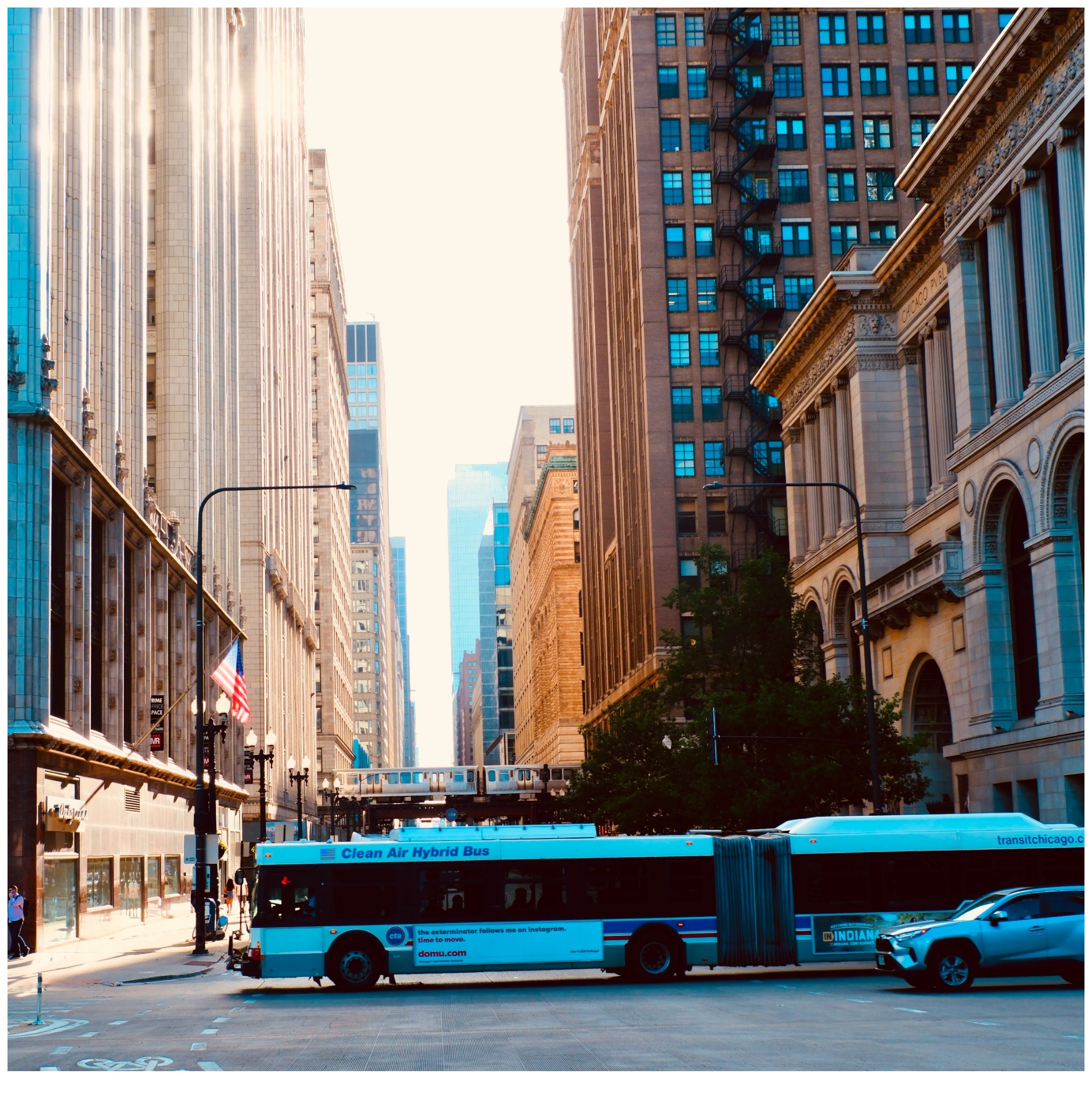
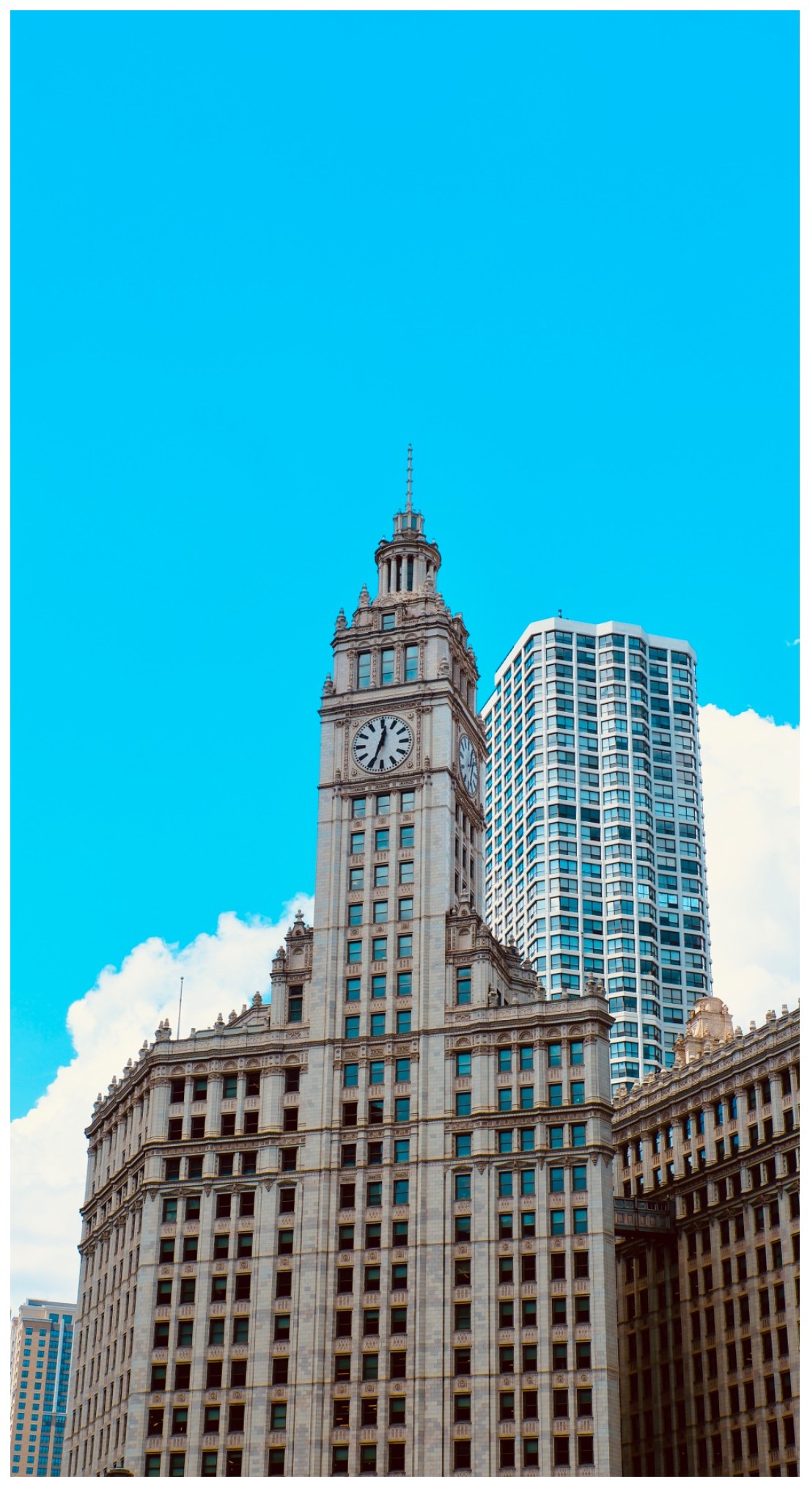
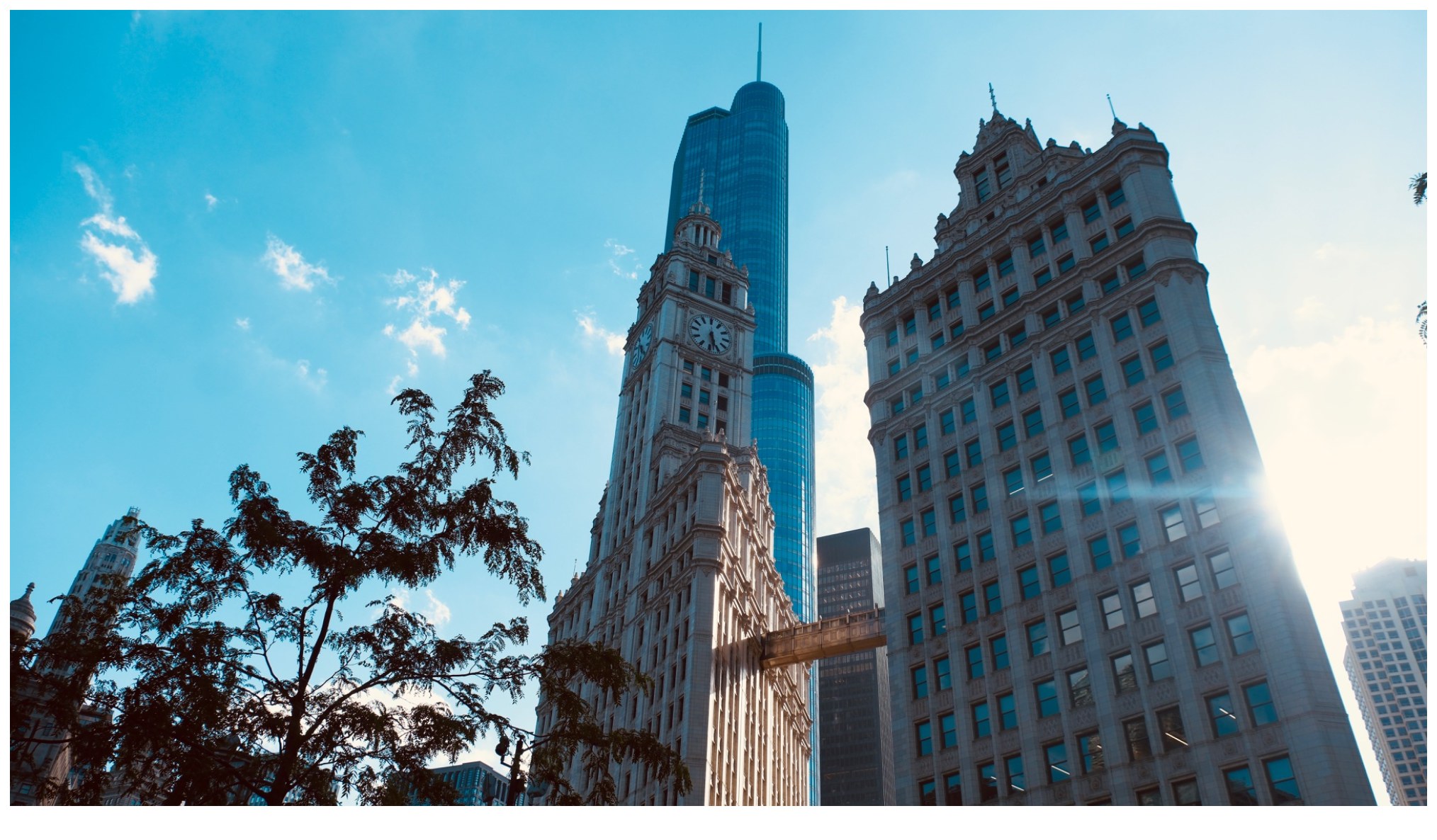
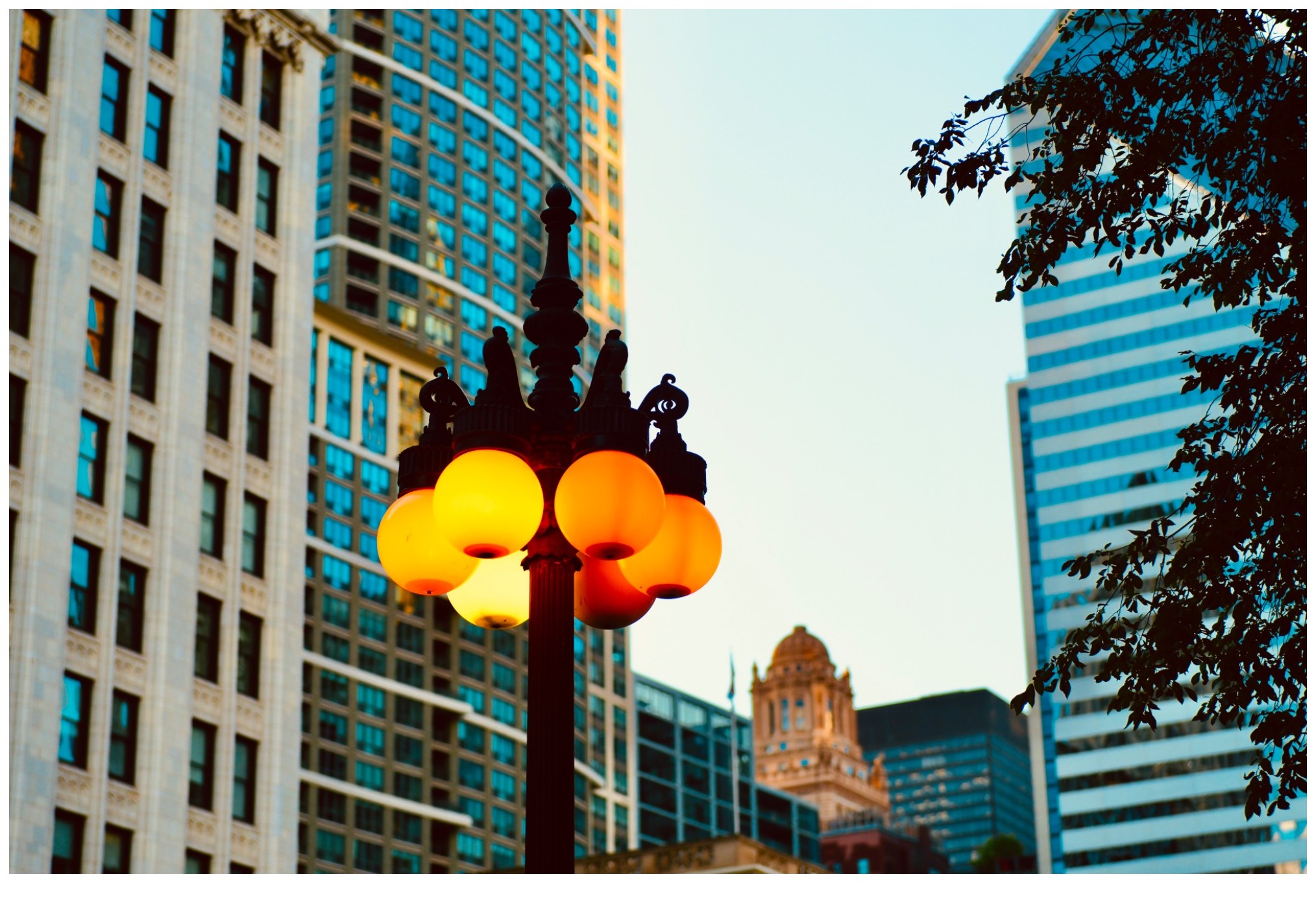
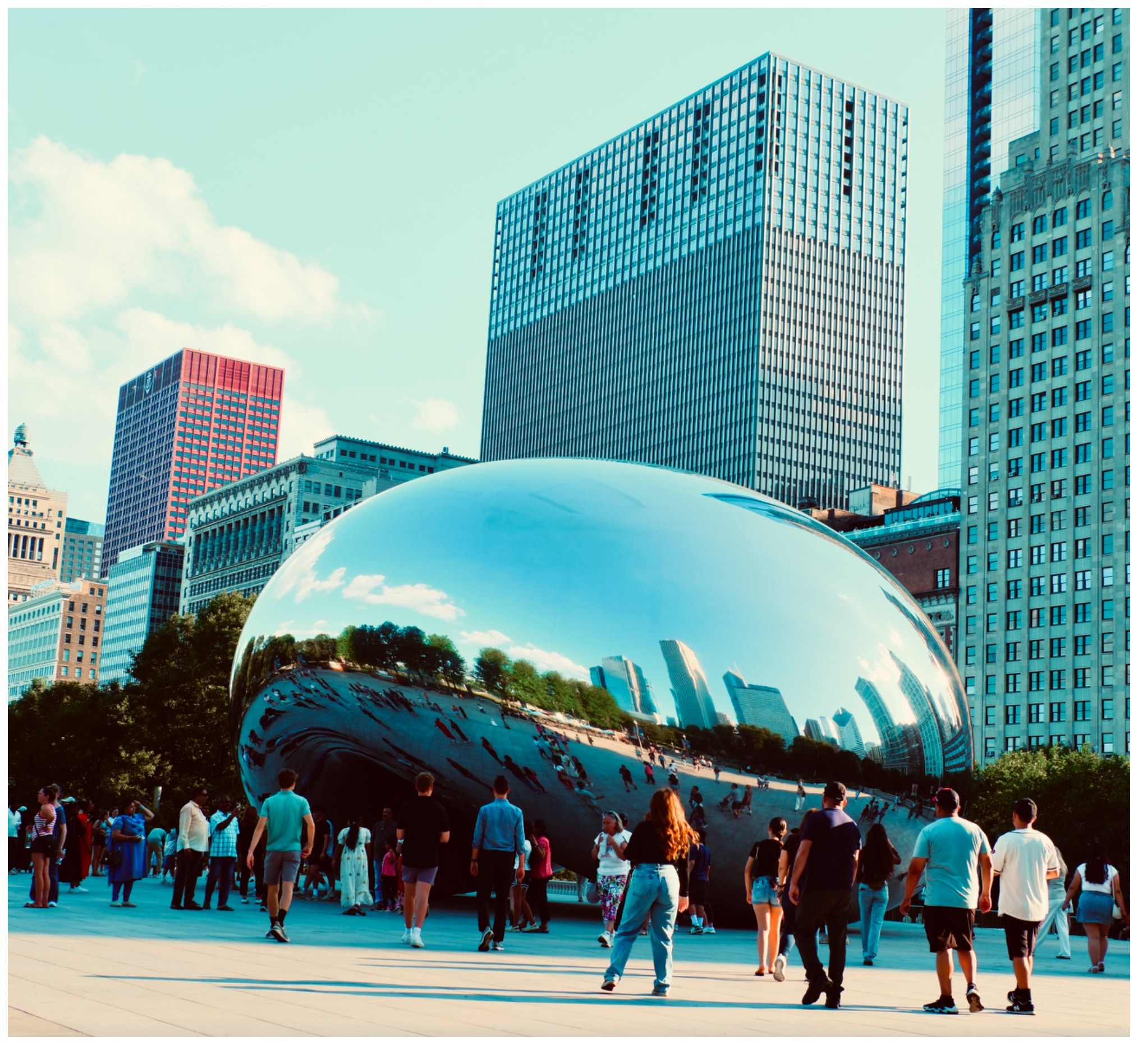
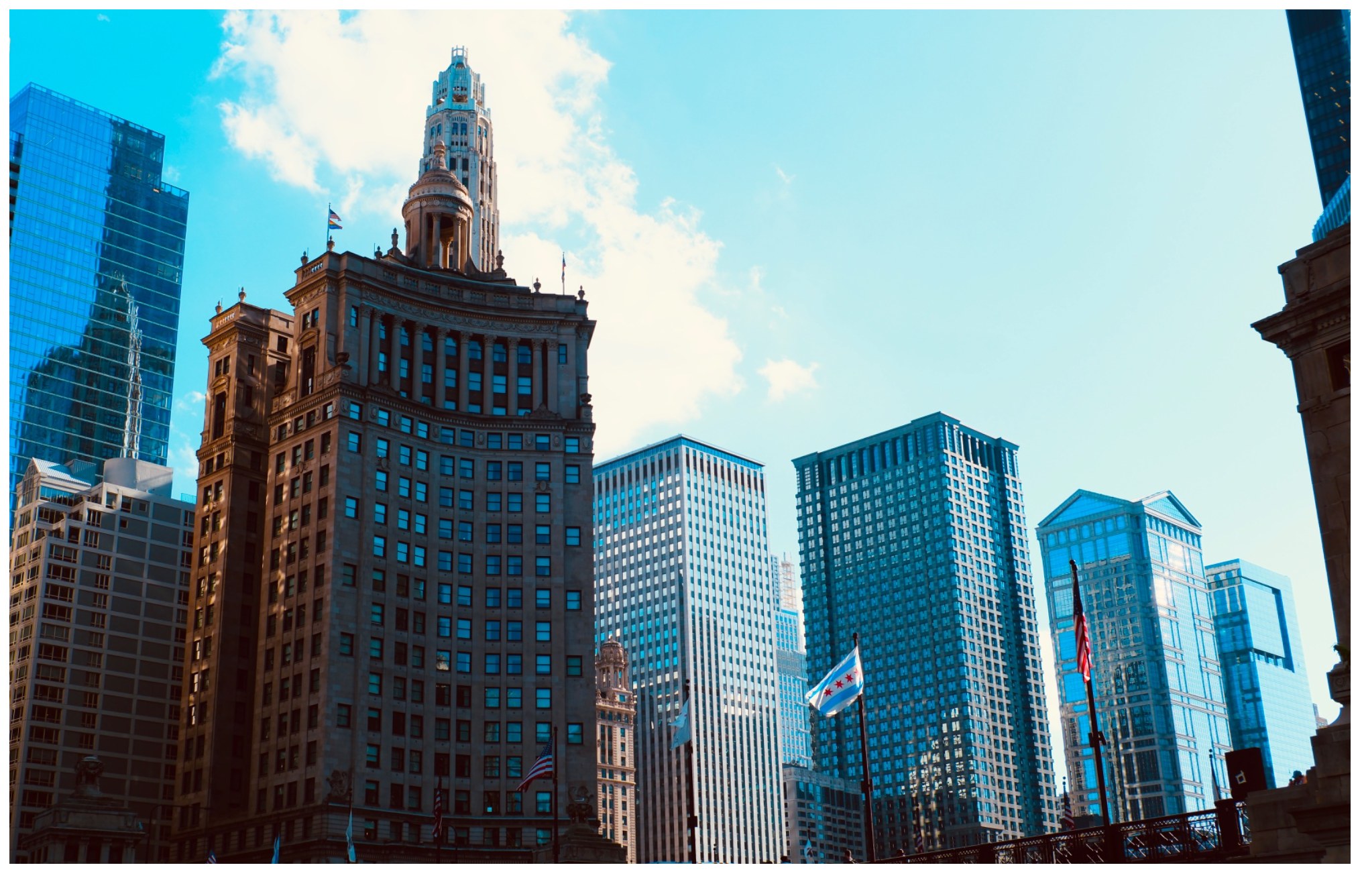
The Loop at golden hour with the El train rattling overhead. The Bean catching the skyline in its surface. The Wrigley Building white against that specific Chicago blue sky. This is architecture that earned its reputation over a century and has not stopped earning it. Of all the American cities I have visited so far, Chicago is my favorite. It is a real city — dense, loud, lived in, and completely sure of itself. No performance required.